Pediatric Heart Surgery: What Should Families Pay Attention To?
Proper preparation before pediatric heart surgery is very important for both the safety of the operation and the recovery process. Families need to know the purpose of the operation, its possible risks, the necessary tests, the anesthesia process, and the stages of post-operative intensive care. Open communication with the specialist team and following the doctors' recommendations help the process to be managed in a more informed and safe way.
Read MoreLarge VSD and AVSD in Children: Symptoms and Heart Surgery
Large VSD and AVSD are serious congenital heart diseases in children that arise from openings between the chambers of the heart and, in some cases, defects in the heart valves. They can cause rapid breathing, feeding difficulty, excessive sweating, and inadequate weight gain. Large openings may increase the risk of heart failure and increased pressure in the lung vessels. Early diagnosis, timely surgical treatment, and regular cardiological follow-up are of great importance in protecting children's heart health.
Read More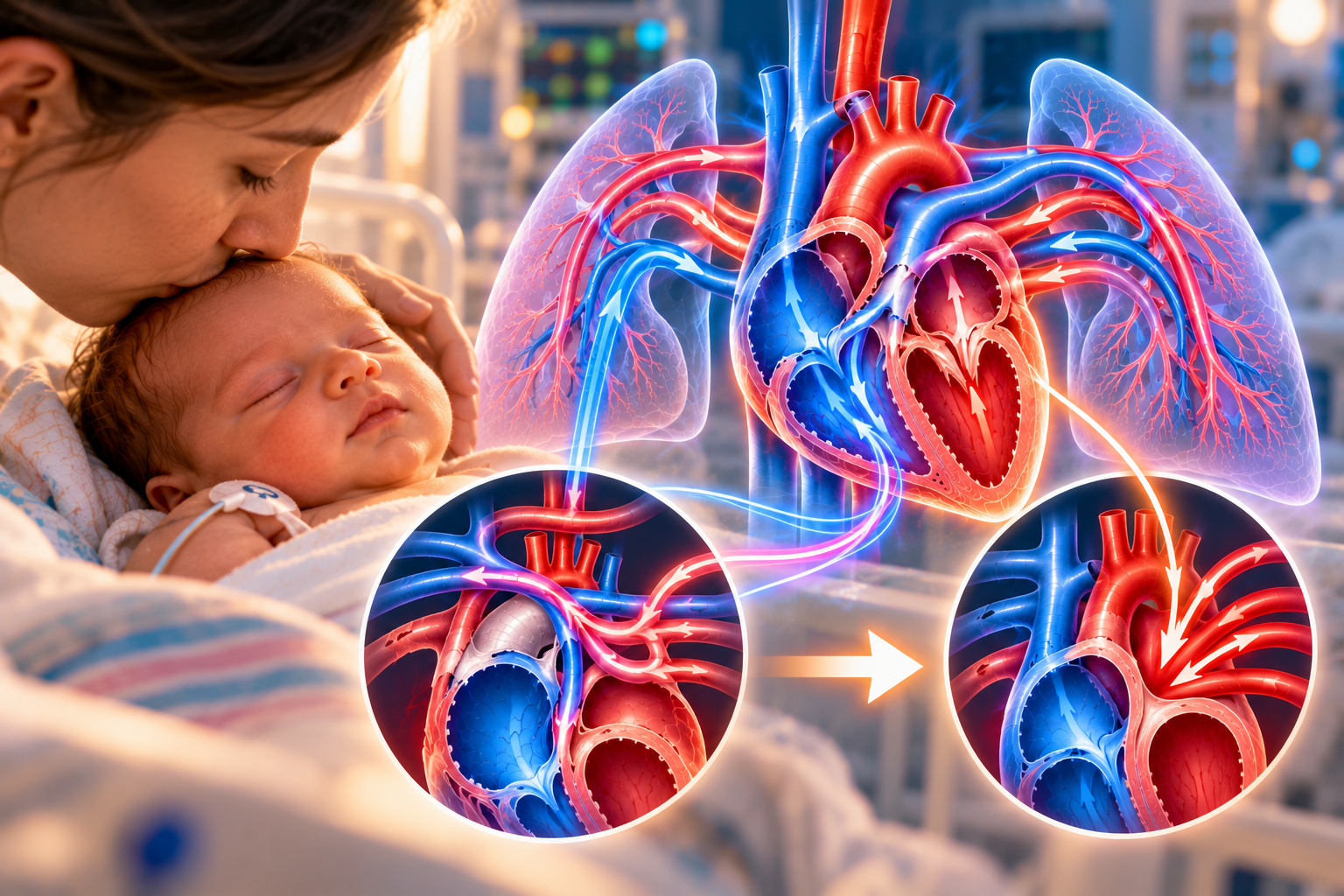
Abnormal Pulmonary Venous Return: Heart Surgery in Children
Abnormal pulmonary venous return is a congenital heart disease in which oxygen-rich blood from the lungs reaches different veins or the right side of the heart instead of the left atrium. There are two main types: total (TAPVR) and partial (PAPVR). Early diagnosis and surgical treatment are particularly vital in total anomalous pulmonary venous return. Surgery performed at the appropriate time aims to restore blood circulation and preserve heart function.
Read MoreTricuspid Atresia and Single Ventricle: Heart Surgery in Children
Tricuspid atresia is a serious congenital heart disease caused by the failure of the valve between the heart's right atrium and right ventricle to develop. This condition, which leads to single ventricle physiology, can affect blood circulation and the body's oxygenation. Staged heart operations are generally used in treatment. Early diagnosis, correct surgical planning, and lifelong cardiological follow-up are of great importance.
Read MoreHypoplastic Left Heart Syndrome: Life-Saving Heart Surgery in Newborns
Hypoplastic Left Heart Syndrome (HLHS) is a serious, life-threatening congenital heart disease caused by underdevelopment of the structures on the left side of the heart. It can prevent enough blood from being pumped to the body in newborns. It requires intensive care support right after birth and usually staged heart operations. Early diagnosis, correct surgical planning, and lifelong follow-up play a critical role in increasing the baby's chance of survival.
Read More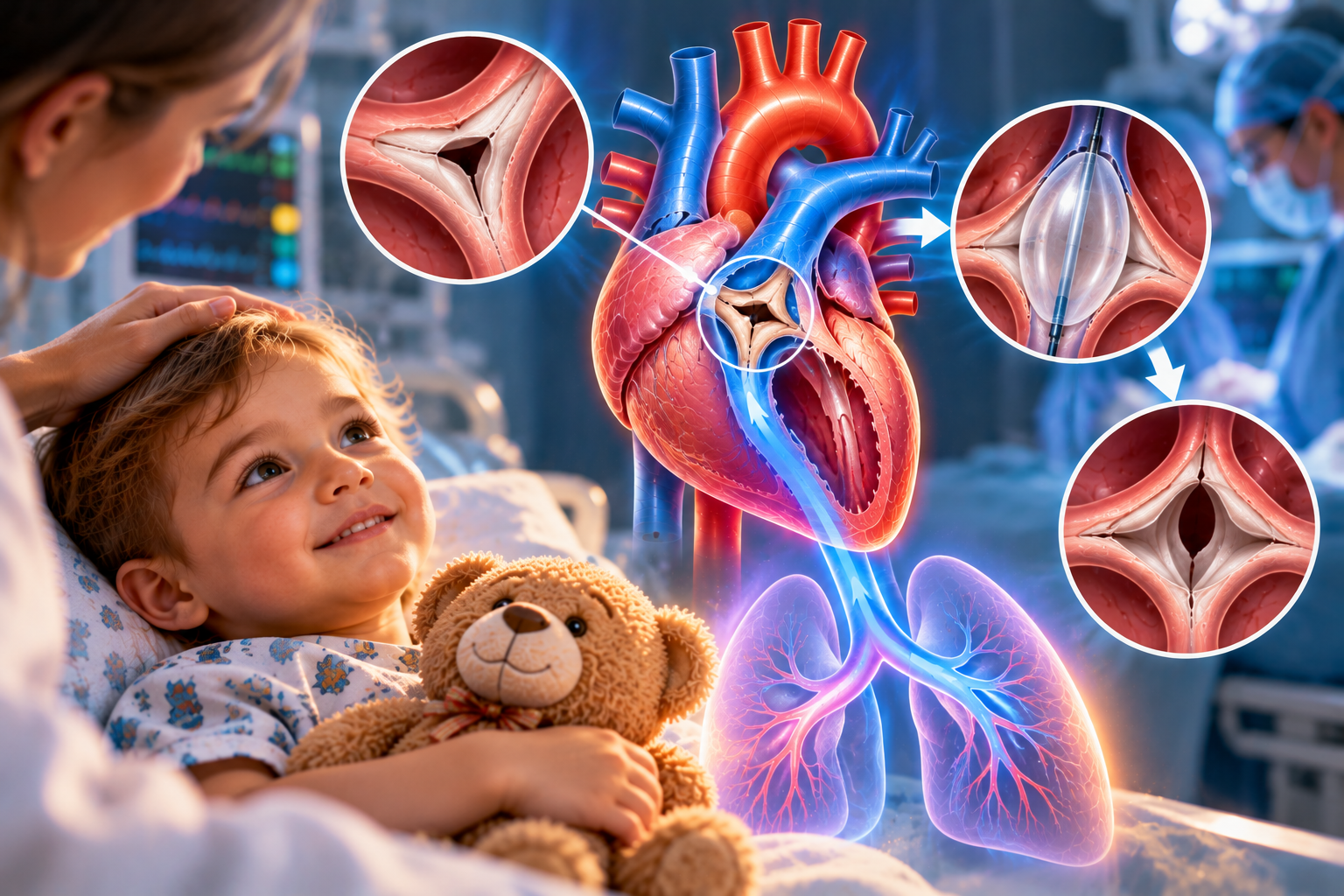
Pulmonary Valve Stenosis in Children: Treatment and Surgery
Pulmonary valve stenosis is a heart condition, usually congenital, that occurs when the valve allowing blood to flow from the heart to the lungs becomes narrowed. Mild cases require only regular monitoring, while severe stenosis can increase pressure on the right side of the heart and cause circulatory problems. The aim is to improve blood flow through balloon valvuloplasty and, when necessary, surgical treatment.
Read MoreCoarctation of the Aorta: Aortic Narrowing in Children and Its Treatment
Coarctation of the aorta is a serious heart disease caused by a congenital narrowing of the main artery that carries blood from the heart to the body. This narrowing makes blood circulation difficult and can cause problems such as high blood pressure, overworking of the heart, and insufficient blood supply to the organs. Early diagnosis, regular follow-up, and, when necessary, surgical or catheter-based treatment are of great importance for children's healthy development.
Read MoreHeart Valve Diseases in Children: When Is Surgery Necessary?
Heart valve diseases in children are significant health conditions that affect blood circulation when the heart valves become narrowed or fail to close properly. These conditions may be present at birth or develop later, and in advanced cases, they can lead to heart failure and impaired growth. Not every valve disorder requires surgery. The decision to operate depends on the severity of the disease, heart function, and the child’s overall health.
Read More
Transposition of the Great Arteries: Life-Saving Heart Surgery in Babies
Transposition of the great arteries (TGA) is a serious congenital heart disease in which the two main arteries leaving the heart are switched. In babies, it can cause bluish discoloration and lack of oxygen right after birth. Early diagnosis, urgent medical support, and surgical treatment, usually performed in the first weeks of life, are critically important for the baby's survival and healthy development.
Read More