
Turkey Dental Care - Turkey Dental Care
Abnormal Pulmonary Venous Return: Heart Surgery in Children
Blog

Abnormal Pulmonary Venous Return: Heart Surgery in Children

27.10.2026 7 min read Abnormal pulmonary venous return is a congenital h...
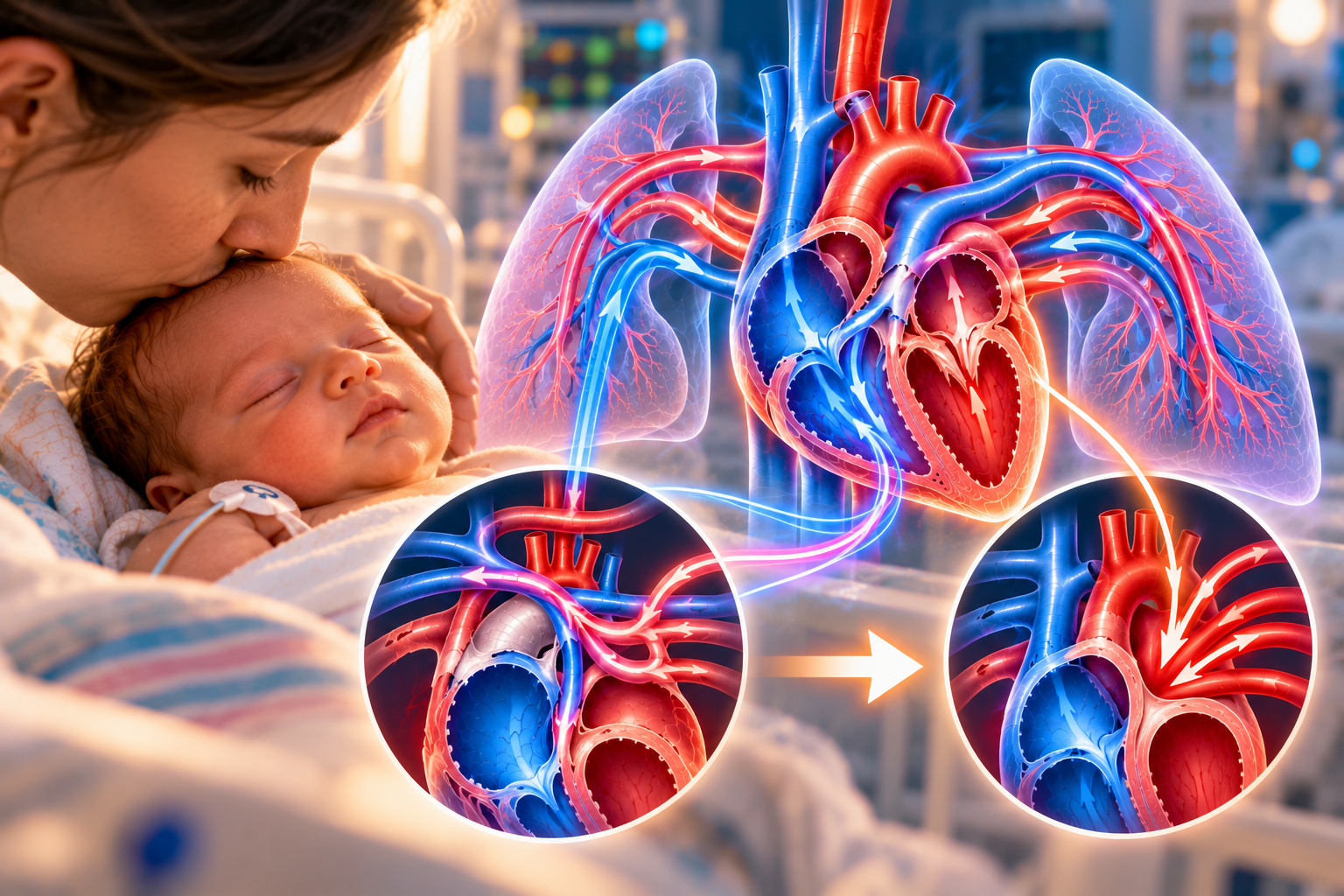
What Is Abnormal Pulmonary Venous Return? Abnormal pulmonary venous return occurs when the pulmonary veins, which carry oxygenated blood from the lungs to the heart, drain into a location other than their normal connection. In a normal heart, oxygenated blood from the lungs reaches the left atrium through the pulmonary veins. It then passes into the left ventricle and is pumped throughout the body. In abnormal pulmonary venous return, some or all of these veins do not connect to the left atrium. This changes blood flow through the heart, increases the workload on the right-sided heart chambers, and may cause severe oxygen deficiency in some patients. What Are the Types of Abnormal Pulmonary Venous Return? The condition is classified into two main groups according to how the pulmonary veins are connected. 1. Total Anomalous Pulmonary Venous Return (TAPVR) All pulmonary veins returning from the lungs drain into the systemic venous circulation through abnormal vascular connections instead of entering the left atrium. In this condition, oxygenated blood returns to the right side of the heart. For the baby to survive, an opening must be present between the atria to allow blood to pass to the left side. TAPVR is a serious condition that usually requires surgical treatment during the newborn period or early infancy. 2. Partial Anomalous Pulmonary Venous Return (PAPVR) Only some of the pulmonary veins are connected to an abnormal location. The severity of the condition depends on the number of abnormal connections and the amount of blood flowing to the right side of the heart. Mild cases may require only monitoring, while surgical treatment may be performed when the condition causes a significant circulatory burden. What Causes Abnormal Pulmonary Venous Return? The condition is a structural abnormality that develops during the formation of the baby's heart and blood vessels in the womb. The exact cause is unknown in most cases. It may occur alongside certain genetic conditions and other congenital heart defects. Partial anomalous pulmonary venous return, in particular, may be associated with openings within the heart, such as an atrial septal defect (ASD). What Are the Symptoms of Abnormal Pulmonary Venous Return in Children? Symptoms may vary depending on the type of the condition, blood flow from the lungs, and whether there is any obstruction in the veins. The most common symptoms include: - Rapid breathing and respiratory distress - Bluish discoloration of the lips and skin - Becoming tired quickly during feeding - Excessive sweating - Poor weight gain - Easy fatigability and weakness - Developmental delay - Severe oxygen deficiency in serious cases Severe respiratory distress and circulatory problems may develop immediately after birth, particularly in cases of TAPVR with obstruction of the pulmonary veins. Important: Noticeable bluish discoloration, rapid breathing, or severe weakness in a newborn requires urgent medical evaluation. How Is Abnormal Pulmonary Venous Return Diagnosed? The condition may be detected in some babies during pregnancy through fetal echocardiography. However, partial anomalies may go unnoticed before birth. After birth, a detailed assessment is performed by a pediatric cardiologist. 1. Echocardiography (ECHO) The structure of the heart, the connections of the pulmonary veins, and blood flow are evaluated. This is the primary diagnostic method. 2. Oxygen Saturation Measurement The oxygen level in the baby's blood is checked. 3. Electrocardiography (ECG) The heart rhythm and findings related to increased workload on the heart chambers are examined. 4. Cardiac Computed Tomography (CT Angiography) This may be used to obtain detailed images of the anatomical connections of the pulmonary veins. 5. Cardiac Magnetic Resonance Imaging (MRI) This may help assess vascular anatomy and blood flow, particularly in partial anomalous pulmonary venous return. When Does Abnormal Pulmonary Venous Return Require Surgery? The need for surgery is determined by whether the condition is total or partial, the symptoms, and its effects on the heart. In Total Anomalous Pulmonary Venous Return (TAPVR) Surgical treatment is generally necessary. If the pulmonary veins are obstructed, emergency surgery may be lifesaving. Even when no obstruction is present, early surgery is planned according to the baby's clinical condition. In Partial Anomalous Pulmonary Venous Return (PAPVR) Not every child requires surgery. However, surgical intervention may be considered in the following situations: - Significant enlargement of the right-sided heart chambers - Excessive blood flow to the lungs - Reduced exercise capacity - Impaired heart function - Associated heart defects that require closure How Is Abnormal Pulmonary Venous Return Surgery Performed? The main goal of surgical treatment is to ensure that oxygenated blood from the lungs reaches the left atrium correctly. The surgical technique varies according to the anatomical connections of the pulmonary veins. TAPVR Surgery In total anomalous pulmonary venous return, the vascular structure into which the pulmonary veins drain is connected to the left atrium using an appropriate surgical technique. Abnormal connections are closed when necessary, and openings within the heart are repaired as appropriate. PAPVR Surgery In partial anomalous pulmonary venous return, the aim is to redirect blood from the pulmonary veins that drain into the wrong location toward the left atrium. In some patients, blood flow can be rerouted using specially placed patches inside the heart. In others, the veins may need to be reconnected. Is Surgery for Abnormal Pulmonary Venous Return Risky? These are major operations performed by experienced pediatric cardiac surgery teams. Surgical risks vary depending on the child's age, weight, vascular anatomy, the presence or absence of pulmonary vein obstruction, and overall health. Possible complications include: - Bleeding and infection - Heart rhythm disturbances - Re-narrowing of the pulmonary veins - Impaired heart function - Increased pressure in the pulmonary blood vessels - The need for additional surgery or catheter-based intervention In particular, narrowing of the pulmonary veins after surgery is an important consideration during long-term follow-up. Recovery After Surgery After surgery, babies and children are closely monitored in a pediatric cardiac surgery intensive care unit. During recovery: - Heart and circulatory function are assessed. - Oxygen levels and breathing are monitored. - Blood flow through the pulmonary veins is checked. - Heart rhythm is monitored. - Feeding and weight gain are assessed. - Necessary medications are planned. The length of hospital stay and speed of recovery may vary depending on the severity of the condition and the type of surgery performed. Can Children Live Normally After Surgery? Following successful surgical treatment, many children can grow and develop normally. Children can continue attending school and participate in physical activities according to their cardiologist's recommendations. However, some patients may develop recurrent narrowing of the pulmonary veins or heart rhythm problems in later years. For this reason, regular pediatric cardiology check-ups are important. The frequency and duration of follow-up are determined by the type of condition and postoperative findings. Why Is Early Diagnosis Vital? Abnormal pulmonary venous return can cause severe oxygen deficiency during the newborn period, particularly in total cases associated with obstruction. Early diagnosis allows the baby to be evaluated at a suitably equipped center and receive any necessary surgical intervention in a timely manner. Coordination between pediatric cardiology, pediatric cardiac surgery, and neonatal intensive care teams is crucial throughout treatment. Remember: Abnormal pulmonary venous return is a congenital heart disease that can be corrected with early diagnosis and appropriate surgical treatment. Timely intervention can be lifesaving, particularly in total anomalous pulmonary venous return. Regular cardiology follow-up also helps protect children's long-term heart health.

Select Language

Get a Quote
Waiting for connection...

Other party has not turned on camera

Waiting for connection...

Connecting to the other party, please wait.

Live Translation Waiting
Start speaking, it will be translated automatically