
Turkey Dental Care - Turkey Dental Care
Heart Surgery in Newborns: Treatment and Recovery
Blog

Heart Surgery in Newborns: Treatment and Recovery

27.10.2026 7 min read Heart surgery in newborn babies is an important su...
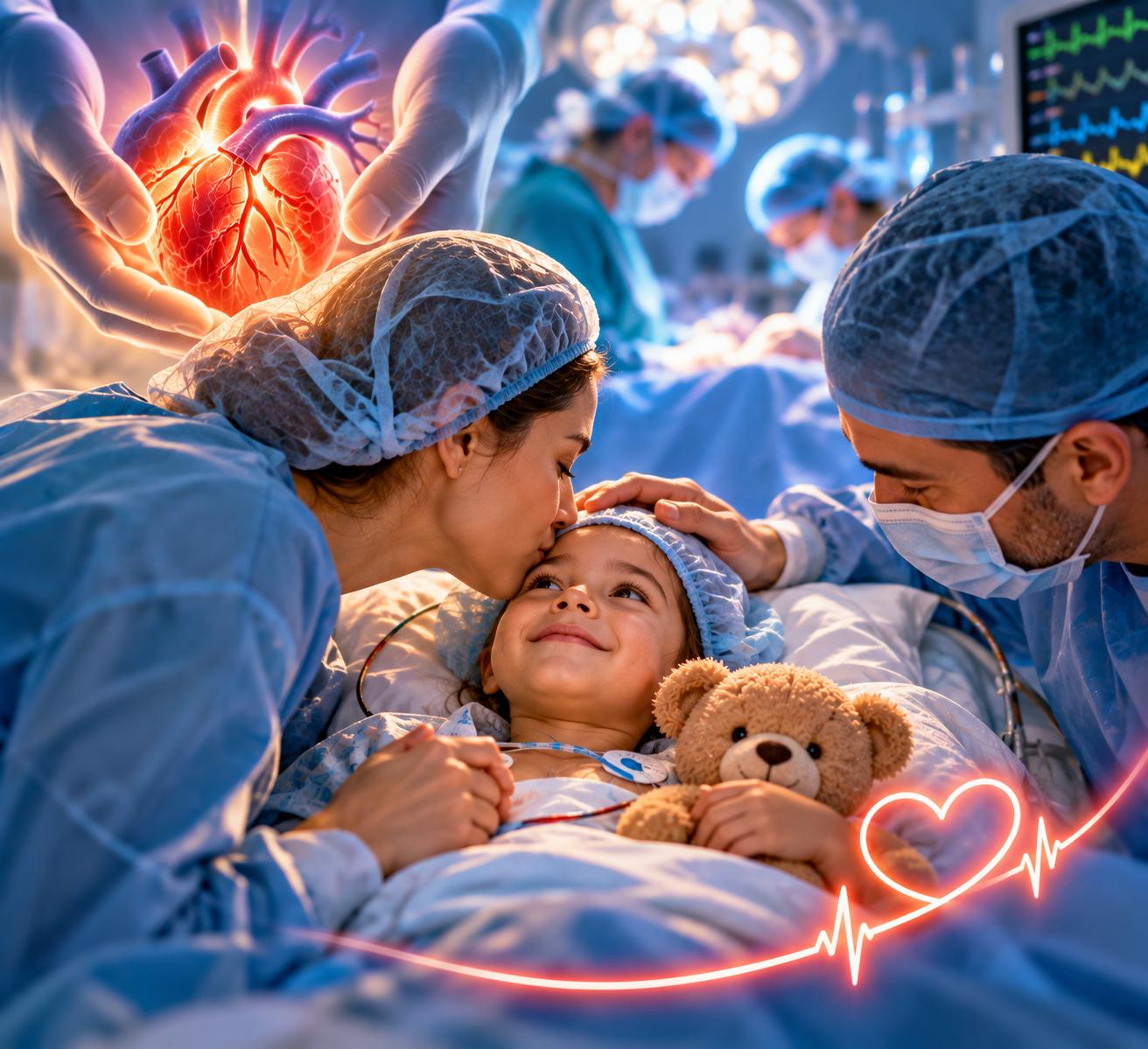
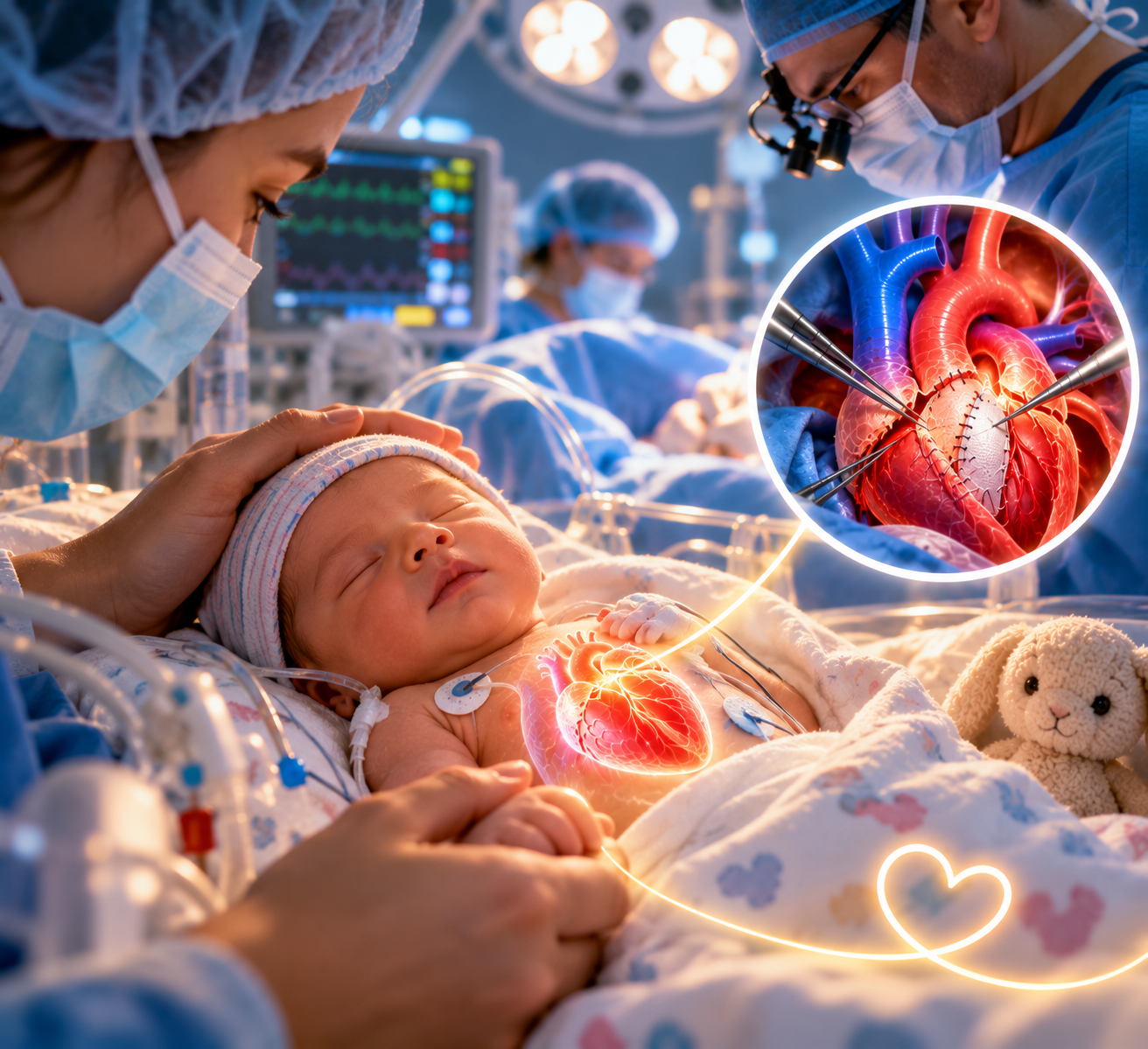
Heart Surgery in Newborn Babies: The Process and Treatment Options Congenital heart diseases detected in the newborn period occur when the baby's heart or great vessels develop differently from normal in the womb. While some of these diseases may be mild, others can cause serious circulatory and respiratory problems in the first hours or days after birth. The main goal of newborn heart surgery is to regulate the baby's blood circulation, support heart function and prevent life-threatening complications. Which Heart Diseases in Newborn Babies Require Surgery? Not every congenital heart disease requires surgery. However, in some serious anomalies, early surgical intervention is vital. 1. Transposition of the Great Arteries (TGA) The normal positions where the aorta and the pulmonary artery leave the heart are switched. In most cases, an arterial switch operation is performed in the first weeks of life. 2. Hypoplastic Left Heart Syndrome (HLHS) The structures on the left side of the heart are underdeveloped. In suitable patients, staged surgical treatment or other treatment options are considered. 3. Truncus Arteriosus A single common vessel leaves the heart instead of two separate great vessels. It usually requires surgical correction in the newborn period. 4. Pulmonary Atresia The outflow tract or the pulmonary valve that carries blood to the lungs has not developed. Treatment is carried out with catheter-based intervention or surgical methods, depending on the anatomical features of the anomaly. 5. Critical Coarctation of the Aorta There is a severe narrowing of the aorta. It can cause circulatory failure in the newborn period and may require early intervention. 6. Total Anomalous Pulmonary Venous Return (TAPVR) The veins coming from the lungs connect to the heart differently from normal. Emergency surgery may be needed, especially when the veins are obstructed. What Are the Signs of Heart Disease in Newborns? Serious congenital heart diseases can show symptoms shortly after birth. Signs to watch out for include: - Bluish discoloration of the lips, tongue or skin - Rapid breathing and breathing difficulty - Tiring during feeding - Poor sucking and inability to feed - Excessive sweating - Paleness and poor circulation - Marked weakness or excessive sleepiness Important: In a newborn, bluish discoloration, severe breathing difficulty, decreased consciousness or marked inability to feed require urgent medical evaluation. How Are Heart Diseases Diagnosed in Newborns? One of the main diagnostic methods is echocardiography (heart ultrasound). With this method, the heart chambers, valves, great vessels and the direction of blood flow are evaluated. When necessary, the following tests may be performed: - Measurement of oxygen levels with pulse oximetry - Electrocardiography (ECG) - Chest X-ray - Cardiac CT or MRI imaging - Blood gas and laboratory tests - Cardiac catheterization in selected patients Some serious anomalies can be detected during pregnancy with fetal echocardiography. Preparing for Heart Surgery in Newborn Babies Before surgery, the aim is to stabilize the baby's breathing and circulation as much as possible. During this process: - Respiratory support may be provided. - Fluids and feeding may be planned. - Heart function may be closely monitored. - Necessary medication may be started. - Infection and other organ functions may be evaluated. In some heart diseases, keeping a vessel connection called the ductus arteriosus open is vital for the baby's circulation. In these cases, the vessel connection can be kept open temporarily with prostaglandin E1 treatment. How Is Newborn Heart Surgery Performed? The surgical method is determined according to the type and anatomical features of the baby's heart disease. 1. Open-Heart Surgery In some serious congenital heart diseases, the internal structures of the heart or the great vessels are repaired using a heart-lung machine. 2. Closed Surgery or Surgery That Does Not Require a Heart-Lung Machine Some vessel narrowings and certain heart anomalies can be treated surgically without using a heart-lung machine. 3. Staged Surgical Treatment Especially in some babies with single-ventricle physiology, more than one operation may be planned to regulate blood circulation. 4. Catheter-Based Interventional Treatment In some patients, balloon dilation, stent placement or valve interventions may be performed. These procedures can be an alternative to open-heart surgery or can be used to improve the baby's condition before surgery. How Long Does Newborn Heart Surgery Take? The length of the surgery varies depending on the type of disease and the scope of the procedure. While some surgical procedures take a few hours, the repair of complex heart anomalies may take longer. The length of the surgery alone is not an indicator of success or risk. The Intensive Care Process After Surgery After newborn heart surgery, babies are monitored in specially equipped pediatric cardiac surgery intensive care units. During this process: - Heart rhythm and blood pressure are monitored. - Respiratory support is continued when needed. - The heart's pumping strength is evaluated. - Kidney function and fluid balance are monitored. - Pain control and nutritional support are provided. - Monitoring is carried out for bleeding, infection and rhythm disorders. The length of the intensive care stay may vary depending on the baby's general condition and the scope of the surgery. Recovery After Heart Surgery in Newborns The First Days: Close Monitoring The baby's heart and respiratory functions are supported. As circulatory balance is achieved, the supportive treatments are reduced. Recovery in Hospital Feeding is adjusted gradually. The baby's weight gain, oxygen level and heart function are evaluated. After Discharge The family is informed about medication use, feeding, wound care and follow-up appointments. Long-Term Follow-Up The baby's growth and development, heart function and any remaining structural problems are monitored regularly. What Are the Risks of Newborn Heart Surgery? Newborn heart surgery is a delicate field of treatment that requires advanced expertise. Possible risks may include: - Bleeding - Infection - Heart rhythm disorders - Temporary or permanent impairment of heart function - Effects on kidney and other organ functions - Neurological complications - The need for repeat surgical intervention The level of risk depends on the baby's weight, gestational age, the complexity of the heart disease, accompanying health problems and the baby's condition before surgery. Can Babies Who Have Had Heart Surgery Grow Up Healthy? Yes. After successful treatment, many babies can continue to grow and develop. However, the outcomes are not the same for every baby. While a single operation is enough for some children, others may need additional interventions or operations in later years. Regular pediatric cardiology follow-up, nutritional support and developmental assessments are important parts of long-term care. Why Are Early Diagnosis and Choosing the Right Center Important? Early diagnosis of serious heart diseases in newborns allows treatment after birth to be planned without delay. Especially in complex heart anomalies, it is important that experienced pediatric cardiology, pediatric heart surgery, neonatal intensive care and anesthesia teams work together. If the diagnosis is made during pregnancy, the birth can be planned to take place at an appropriate healthcare center. Conclusion A timely intervention for a tiny heart can offer a great chance at life. Heart surgery in newborn babies is a vital method in the treatment of serious congenital heart diseases. Thanks to advanced surgical techniques, modern intensive care facilities and a multidisciplinary specialist approach, the aim is to improve the life expectancy and quality of life of many babies. Remember: Not every heart disease in a newborn requires surgery. However, in serious anomalies, early diagnosis, the right timing of treatment and an experienced healthcare team are the most important elements of the treatment process.

Select Language

Get a Quote
Waiting for connection...

Other party has not turned on camera

Waiting for connection...

Connecting to the other party, please wait.

Live Translation Waiting
Start speaking, it will be translated automatically