
Turkey Dental Care - Turkey Dental Care
Ebstein Anomaly in Children: Symptoms and Treatment
Blog

Ebstein Anomaly in Children: Symptoms and Treatment

27.10.2026 5 min read Ebstein anomaly is a rare heart disease caused by ...
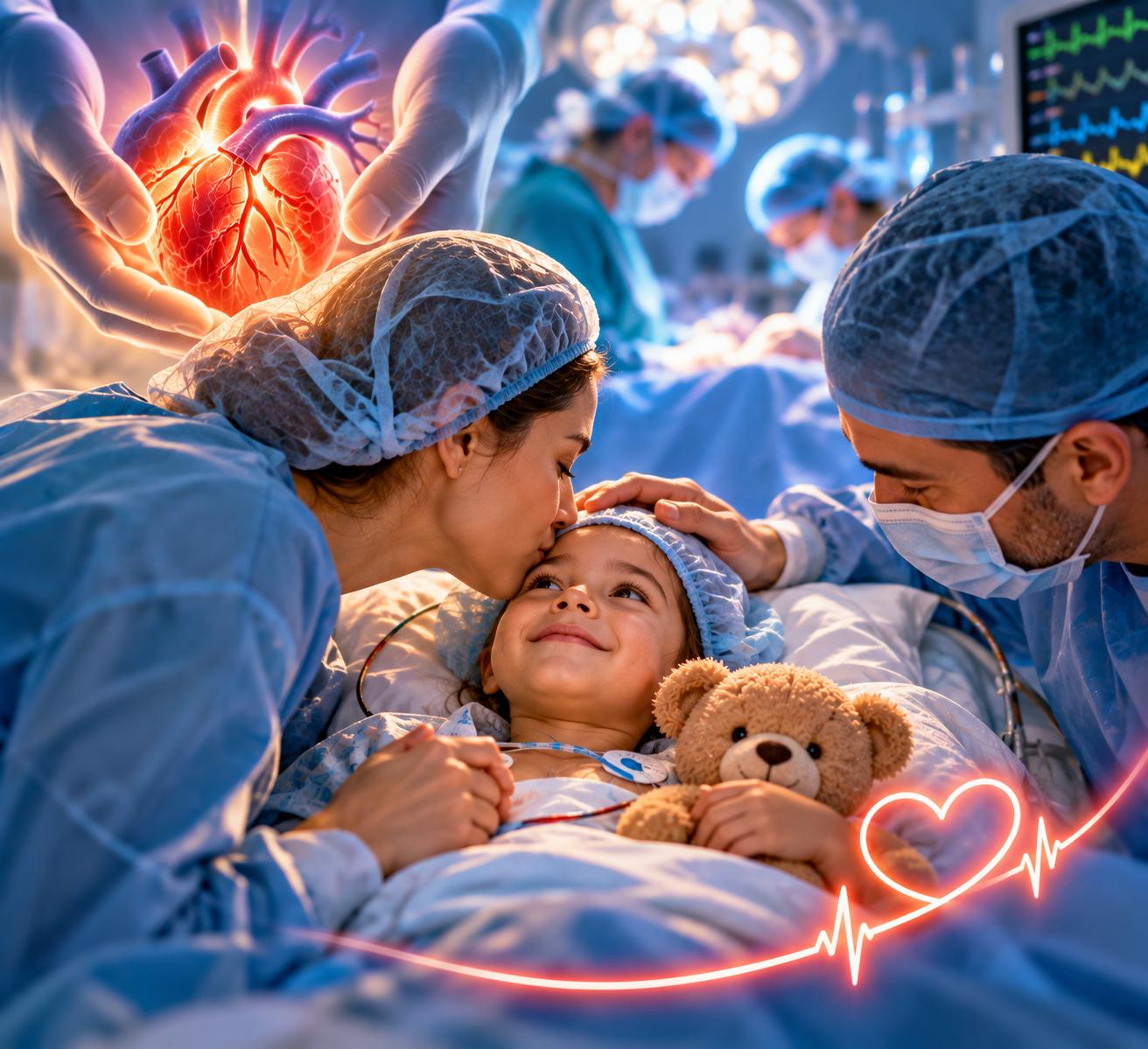
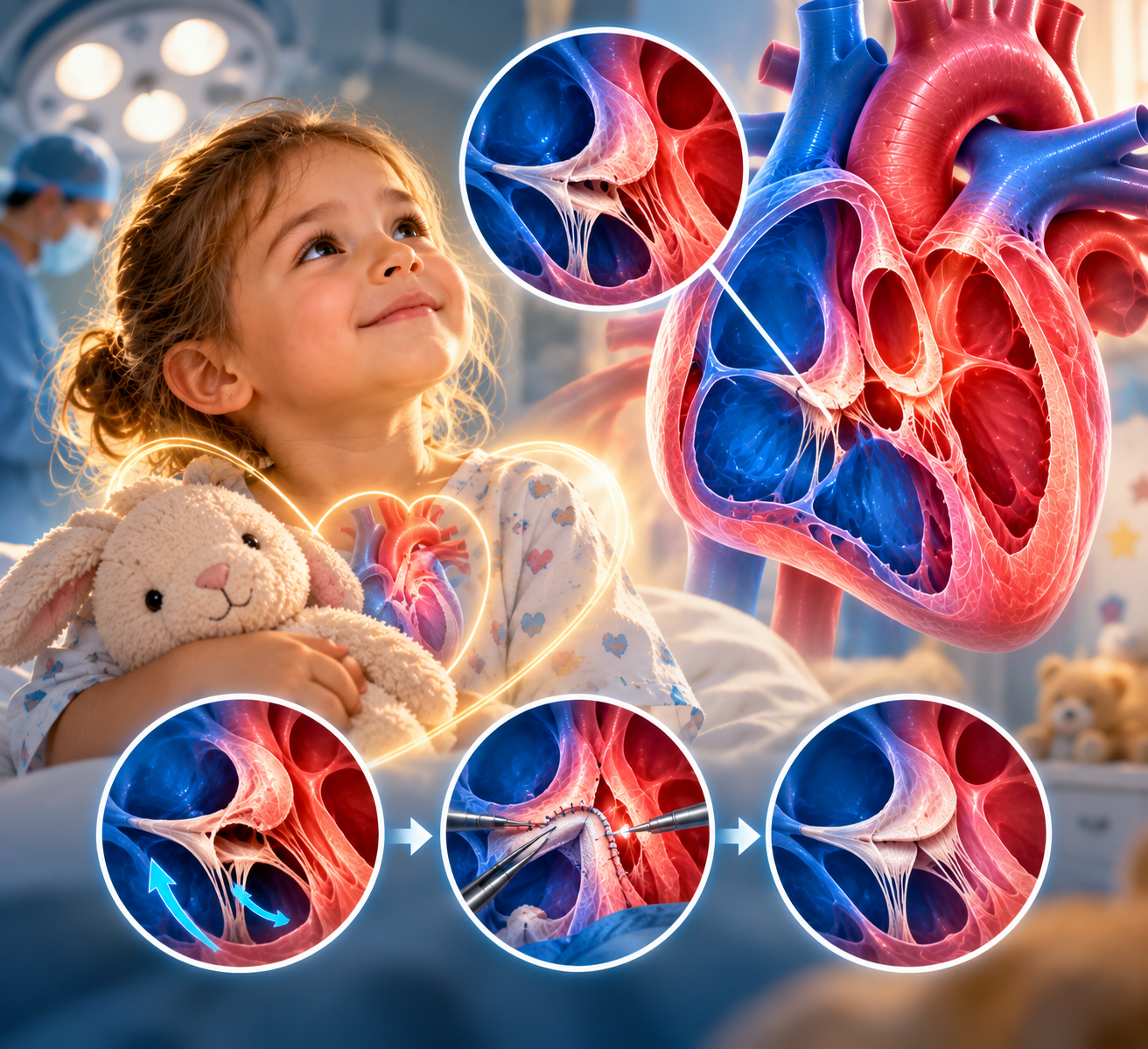
What Is Ebstein Anomaly? Treatment of This Heart Disease in Children Ebstein anomaly is a congenital heart disease in which the tricuspid valve, located between the right atrium and the right ventricle of the heart, develops in a different position and with a different structure than normal. In this anomaly, the leaflets of the tricuspid valve are displaced into the right ventricle. When the valve cannot close properly, some of the blood can leak back from the right ventricle into the right atrium. Ebstein anomaly does not appear with the same severity in every child. Some children can live for many years without symptoms, while in severe cases serious heart and circulation problems can develop from birth. What Are the Symptoms of Ebstein Anomaly in Children? Symptoms vary depending on the degree of the valve defect and the working capacity of the heart. The most common symptoms are: - Bluish discoloration of the lips and skin (cyanosis) - Rapid breathing or shortness of breath - Tiring easily and weakness - Feeding difficulties in babies - Poor weight gain - Palpitations and rhythm disorders - Signs of heart failure in severe cases Severe cyanosis and breathing difficulty, especially in the newborn period, require urgent medical evaluation. What Causes Ebstein Anomaly? Ebstein anomaly develops during the formation of the baby's heart in the womb. In most cases, the exact cause of the disease is unknown. It is thought that certain genetic and developmental factors may play a role. Ebstein anomaly is not contagious and, in most cases, is not linked to a cause that families could have prevented. How Is Ebstein Anomaly Diagnosed? The most important diagnostic method is echocardiography (cardiac ultrasound). Echocardiography makes it possible to evaluate: - The structure and position of the tricuspid valve - The degree of leakage through the valve - The size of the right atrium and right ventricle - The heart's pumping function - Any associated congenital heart anomalies When necessary, electrocardiography (ECG), Holter monitoring, cardiac MRI and other advanced tests may be performed. How Is Ebstein Anomaly Treated in Children? Treatment is planned according to the severity of the disease, the child's age, heart function and symptoms. 1. Regular Cardiology Follow-Up In children with a mild anomaly and no significant complaints, regular pediatric cardiology check-ups may be sufficient. 2. Medication Medications may be used to reduce the signs of heart failure, control fluid buildup or manage rhythm disorders. However, medication does not eliminate the structural defect of the valve. 3. Treatment of Rhythm Disorders Some children with Ebstein anomaly may develop fast heart rhythms caused by abnormal electrical conduction pathways. In suitable patients, methods such as medication or catheter ablation may be used. 4. Surgical Treatment Surgery may be needed in children with severe valve leakage, deteriorating heart function, marked cyanosis or serious complaints. How Is Ebstein Anomaly Surgery Performed? The main goal of surgical treatment is to improve the function of the tricuspid valve and to reduce the load on the right side of the heart. The methods that may be used are: Tricuspid Valve Repair: The patient's own valve is reshaped while being preserved as much as possible. Cone Reconstruction: The tricuspid valve leaflets are rearranged in an effort to create a more functional valve structure. Valve Replacement: In selected cases where the valve cannot be repaired, a prosthetic valve may be used. Additional Surgical Procedures: Closure of associated openings in the heart or procedures to reduce the workload of the right ventricle may be needed. The surgical method is determined according to the anatomical structure of the heart and the child's clinical condition. Recovery After Surgery First Days: Intensive Care Monitoring After surgery, the child is closely monitored for heart rhythm, breathing and circulatory function. Recovery in the Hospital Heart function, valve performance and possible rhythm disorders are evaluated. Feeding and mobility are gradually increased. Recovery at Home After discharge, it is important to take medications regularly, care for the wound and arrange physical activities according to the doctor's recommendations. Long-Term Follow-Up Even if the surgery is successful, tricuspid valve function and heart rhythm should be checked regularly. Some patients may need another intervention in later years. Can Children with Ebstein Anomaly Lead a Normal Life? Yes, many children can lead an active life thanks to appropriate treatment and regular follow-up. However, the course of the disease differs in every child. In mild cases, quality of life can be largely preserved, while severe cases may require more extensive treatment and long-term follow-up. The child's level of physical activity should be evaluated by a specialist according to heart function and the risk of rhythm disorders. Why Is Early Diagnosis Important? When Ebstein anomaly is detected early, heart function can be monitored regularly and necessary interventions can be planned at the right time. This approach can help detect complications such as progressive heart failure and serious rhythm disorders early. Conclusion A congenital heart anomaly can be managed with the right treatment. Ebstein anomaly is a rare congenital heart disease that can appear in different forms, from mild valve defects to serious heart problems. Thanks to advanced imaging methods, modern valve repair techniques and progress in pediatric cardiac surgery, the aim is to improve heart function and quality of life in suitable patients. Remember: Not every child with Ebstein anomaly needs surgery. Treatment and the timing of surgery should be determined by specialists in pediatric cardiology and congenital heart surgery according to each patient's individual situation.

Select Language

Get a Quote
Waiting for connection...

Other party has not turned on camera

Waiting for connection...

Connecting to the other party, please wait.

Live Translation Waiting
Start speaking, it will be translated automatically